

Design Thinking
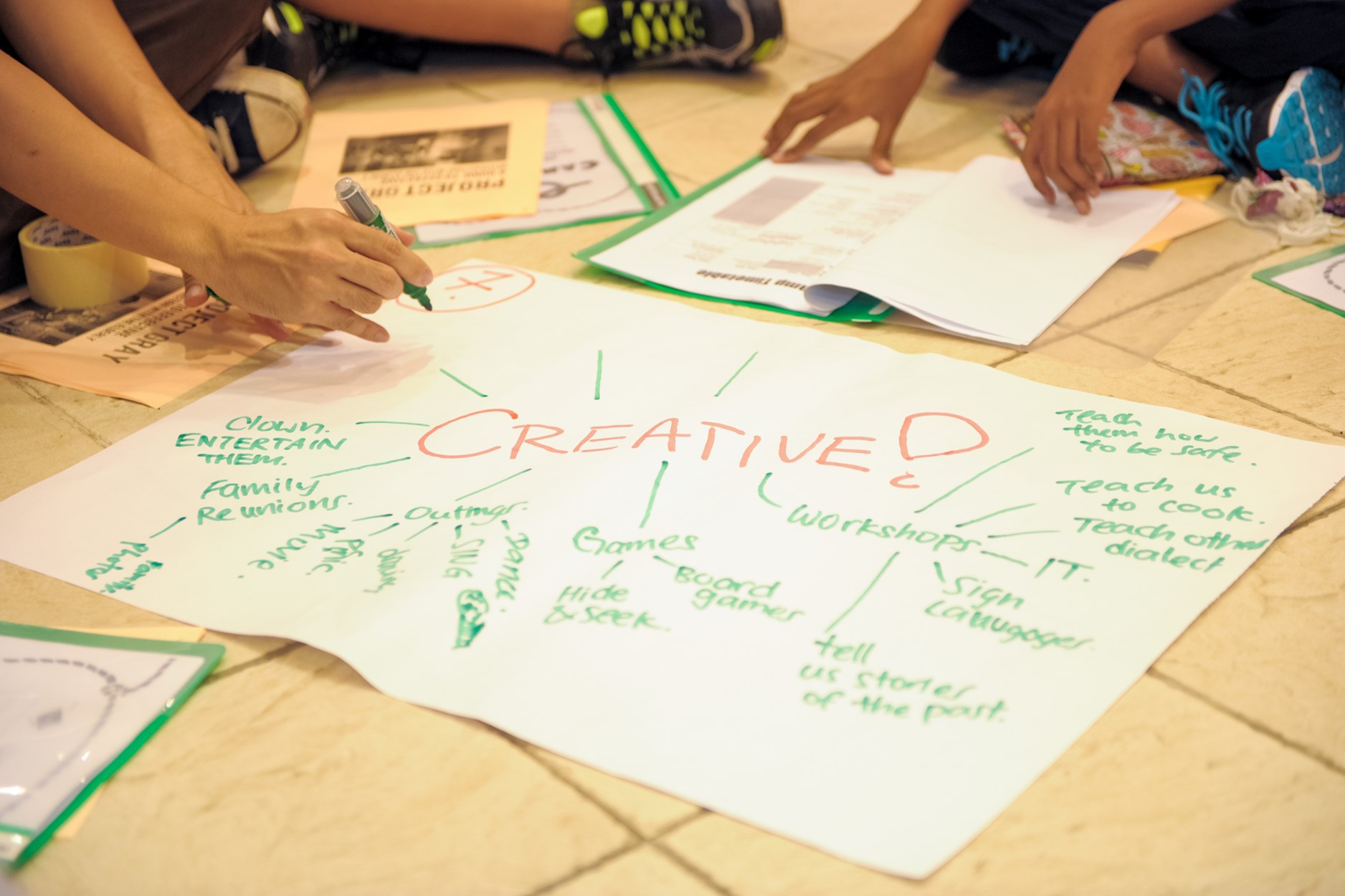
Think like a designer to make a difference. Design Thinking framework provides a people-centered approach to problem solving. With an array of design thinking tools for all ages, participants can apply research, prototyping, and evaluating skills in school, community, nation and global context.
Social Entrepreneurship
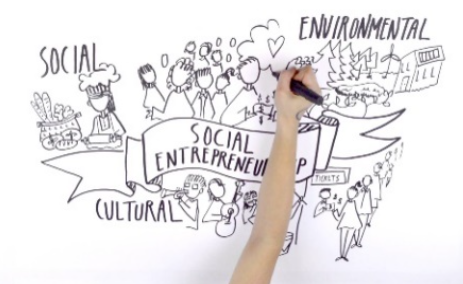
Make decisions with an entrepreneur dare. A mindset described often as grit not only for academic excellence but to kick-off a business that closes a gap in society. Ranging from push cart sales, technopreneur competitions, school festival, community carnivals, Acorn is ready to partner from conceptualising, training, planning to execution.

Servant Leadership
Serve to lead; lead to serve. Experiential activities designed to create empathy and facilitate deeper understanding of the social issues among participants. Tap on the wide spectrum of partners to execute your choice local or overseas service learning project.
Design Thinking

At Acorn Training, one of our greatest satisfaction is hearing students say “I never knew I could be creative!” Our Design Thinking Courses for primary and secondary school students in Singapore are designed to build creative confidence, cultivate innovative thinking, and elevate collaborative skills.
What is Design Thinking?
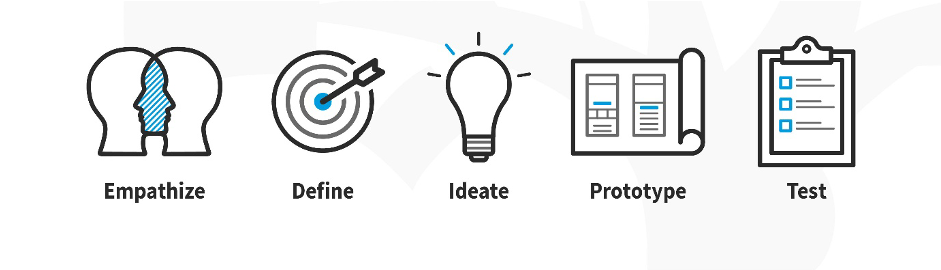
Design Thinking is a human-centered approach to innovation that fosters empathy, ideation, and problem-solving. By guiding students through a structured process, they learn to tackle challenges creatively and effectively. Our courses follow the five-stage Design Thinking Framework:
- Empathize – Understand user needs through research and observation. We teach students to conduct interviews, observe behaviors, and develop deep empathy for the people they’re designing for.
- Define – Clearly articulate the problem to be solved. Rather than jumping to solutions, students learn to frame problems precisely based on their research findings.
- Ideate – Generate creative solutions through brainstorming techniques. We use proven ideation methods to help students think beyond obvious solutions and explore diverse possibilities.
- Prototype – Create tangible models to test ideas. Students build prototypes ranging from simple paper mockups to digital simulations and physical models, learning from rapid iteration.
- Test – Gather feedback and refine solutions for real-world application. Students present prototypes to users, collect feedback, and iterate based on real-world insights.
Why Choose Our Design Thinking Courses?
- Variety of Design Thinking Tools – We have curated many different tools for different age groups starting from lower primary to junior college and polytechnic students. Each toolkit is age-appropriate and scaffolded to build skills progressively.
- Highly Engaging Activities – We make design thinking a fun and interactive learning process. Through games, challenges, and real-world projects, students remain engaged and motivated throughout their learning journey.
- Future-Ready Skills – We incorporate tech skills in the prototyping process such as 3D modelling, coding, use of A.I. and hence complements STEM education. Students learn to leverage technology as a tool for bringing ideas to life.
- Aligned with 21st Century Competencies – We train students to collaborate through group thinking strategies and communicate persuasively with elevator pitching. These skills prepare them for success in any field.
- Different Scopes to Apply Design Thinking – We have worked with many schools to apply Design Thinking in areas such as sustainability, smart homes, needs of elderly, needs of people with disabilities, school and community improvement.
- Experienced Trainers – Our expert facilitators bring passion, expertise, and real-world experience to every session. They create safe spaces for experimentation and learning.

Course Offerings
- Design Thinking for VIA (Values in Action) Projects – Integrate design thinking into community service initiatives
- Design Thinking for Innovation – Foster creative problem-solving across subjects and disciplines
- Design Thinking for Entrepreneurship – Apply design methodology to develop viable business solutions
Servant Leadership
Serve to lead; lead to serve. Experiential activities designed to create empathy and facilitate deeper understanding of the social issues among participants. Tap on the wide spectrum of partners to execute your choice local or overseas service learning project.

Understanding Servant Leadership
Servant Leadership, a concept pioneered by Robert Greenleaf, is a philosophy that fundamentally challenges traditional notions of leadership. Rather than leaders using their position for personal gain or power, servant leaders prioritize the needs of those they serve. The servant leader asks: “How can I help others succeed?” instead of “How can I maintain power?” This paradigm shift transforms organizations and communities by fostering trust, commitment, and genuine development in people.
Core Principles of Servant Leadership
Greenleaf identified ten key characteristics of servant leaders: listening, empathy, healing, awareness, persuasion, conceptualization, foresight, stewardship, commitment to growth, and building community. Our programs develop these essential qualities through structured experiences and reflection.
Listening and Empathy – Servant leaders begin by truly listening to understand the needs, concerns, and aspirations of others. Through deep listening and empathetic engagement, students learn to see situations from multiple perspectives and recognize the dignity in every person.
Stewardship and Responsibility – Servant leaders understand they hold their position as a trust, not a right. They take responsibility for the well-being and development of those they lead, viewing themselves as stewards accountable to a higher purpose and to the communities they serve.
Commitment to Others’ Growth – A servant leader is genuinely committed to the personal, professional, and spiritual growth of those around them. This goes beyond task completion to investing in people’s development and potential.
Community Building – Servant leaders work to create environments where people feel valued, connected, and part of something larger than themselves. They understand that healthy communities thrive on shared values, mutual respect, and collaborative action.
Our Servant Leadership programs are designed to help students develop these attitudes, behaviors, and skills necessary to become compassionate leaders who create positive social change. Through meaningful service experiences, structured reflection, and mentoring, participants learn to understand different perspectives, build genuine relationships, and address root causes of social challenges.
We work with schools and organizations to design service learning projects that are substantive, reciprocal, and transformative. Whether addressing poverty, environmental degradation, educational gaps, or health challenges, our programs ensure that service is not just about helping others—it’s about mutual learning and sustainable impact.
Our partnerships span across Singapore and internationally, providing students with opportunities to engage in local community projects as well as immersive overseas experiences. Each project is carefully structured to maximize learning, ensure cultural sensitivity, and create measurable positive outcomes for the communities served.
Key Components of Our Servant Leadership Programs:
- Pre-service orientation and cultural competency training
- Immersive service experiences in partner communities
- Structured reflection and debrief sessions grounded in Greenleaf’s principles
- Mentoring from experienced leaders and community partners
- Ongoing engagement and sustainability planning rooted in stewardship

